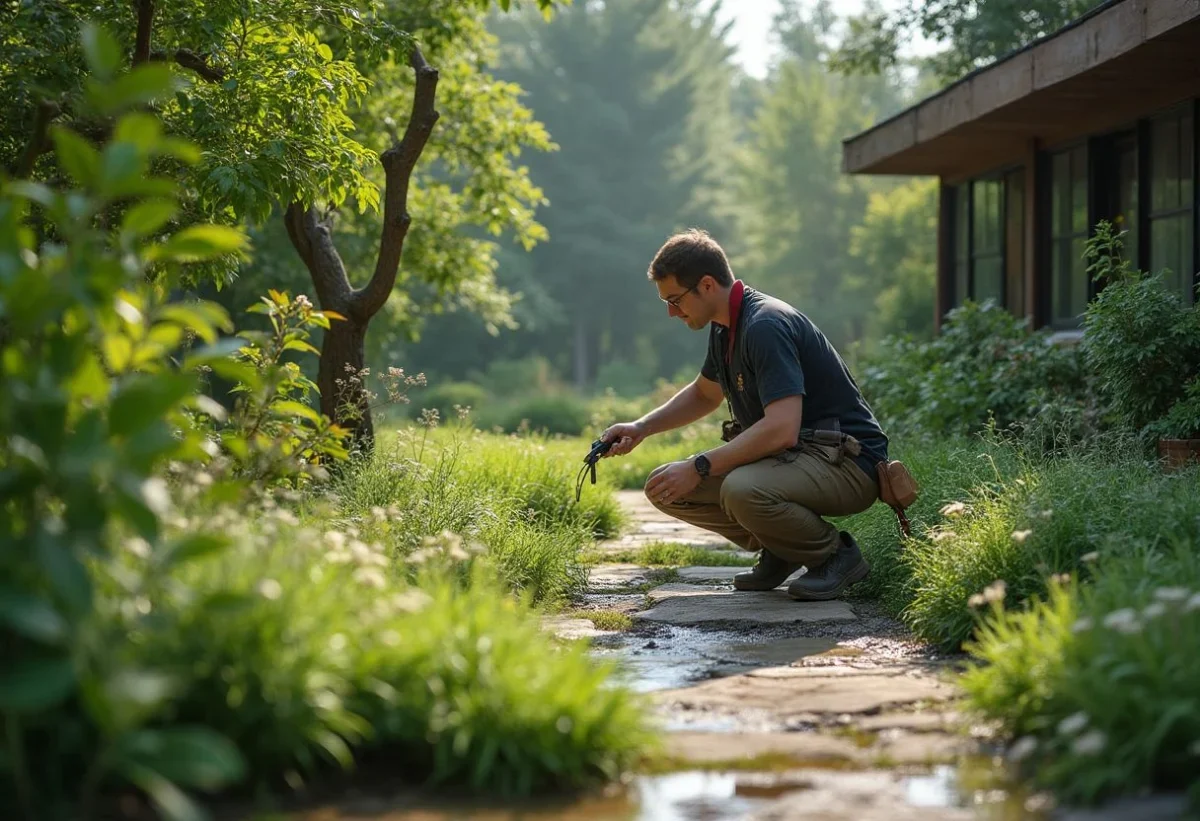
The profession of landscaper is a true exploration between nature and art, where each project becomes a unique work of art. From design to maintenance, the tasks of a landscaper are numerous and varied. This green space professional uses their creativity and technical skills to transform land into havens of peace, whether public or private. Whether you dream of a lush garden or a minimalist outdoor space, the landscaper is there to meet all your expectations.
Design and development of green spaces
Site study and environmental analysis
To create a harmonious landscape, the landscaper begins with a thorough analysis of the site. This includes taking into account the characteristics of the land, such as soil types and sunlight exposure. They also identify the environmental constraints to overcome, such as climatic conditions and local regulations.
Development of the landscaping project
Once the site study is completed, the landscaper moves on to the design phase. Using plans and sketches, they outline the contours of your future green space. The selection of plants and materials is crucial for creating a coherent and sustainable aesthetic. The landscaper chooses plants suitable for the climatic conditions and the intended use of the space.
Implementation and execution of developments
Planting and installation techniques
The transition from design to implementation requires precise technical know-how. The landscaper prepares the soil to accommodate the new plantings and installs irrigation systems to ensure optimal growth. Architectural elements, such as paths, walls, or terraces, are also put in place to structure the space.
Site supervision and team coordination
Every landscaping project requires rigorous coordination. The landscaper, often acting as team leader, manages the landscaping workers and ensures adherence to deadlines and budget. Their ability to manage unforeseen events and adapt plans according to needs is often decisive for the success of the project.
Maintenance of gardens and landscaped spaces
Maintenance techniques for green spaces
Regular maintenance is essential to preserve the beauty and functionality of green spaces. The landscaper takes care of mowing, pruning, and cleaning gardens. They are also responsible for managing diseases and pests that may affect the plantings.
Assessment of the state of developments
Each year, the landscaper conducts an assessment of the state of the developments to propose renovations or improvements. This follow-up ensures the longevity of the green spaces and adjusts the design to new trends or the changing needs of clients.
Training and professional development of landscapers
Skills required for the profession
The landscaper must possess a solid knowledge of plants and ecosystems to choose the appropriate vegetation. Skills in design and great creativity are also necessary to envision aesthetic and functional spaces, such as at boucher paysagiste for example.
Job offers and opportunities in the sector
The landscaping sector offers many job opportunities, with varied salary prospects depending on experience and specialization. Available training, ranging from CAPA to state diploma in landscaping, effectively prepares individuals for this exciting profession.