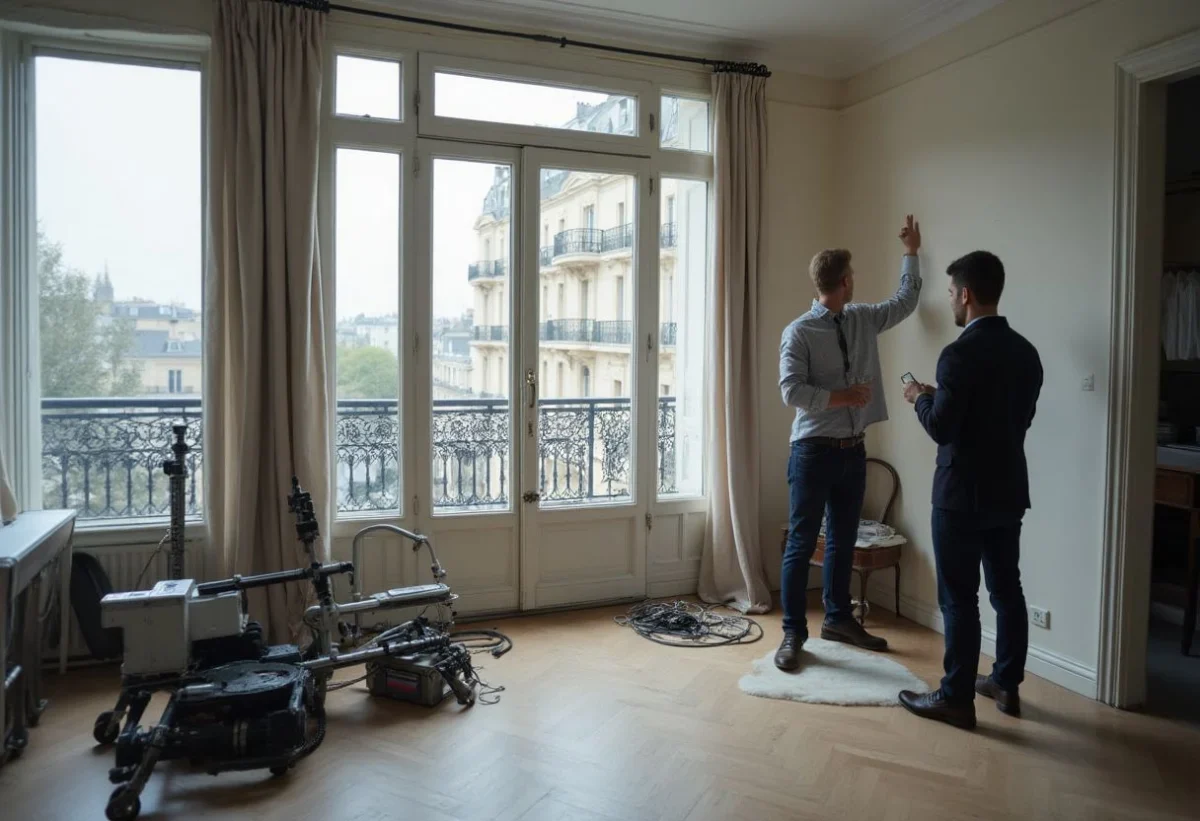
In the vast jungle of the Parisian real estate market, one element stands out for its importance and complexity: the property diagnosis. This set of verifications has become over time a mandatory step for any real estate transaction, whether it involves selling, buying, or renting a property. But why are these diagnostics so essential, and what do they actually cover?
The different types of diagnostics required by legislation
The property diagnosis in Paris includes several mandatory verifications, each having a specific purpose and meeting strict legal requirements. These diagnostics are essential to inform the future buyer or tenant about the characteristics and condition of the property.
- Energy performance diagnosis (DPE): Evaluates the energy consumption of the housing and its impact in terms of greenhouse gas emissions. This diagnosis is particularly crucial in a city where many buildings are old.
- Lead exposure risk assessment (CREP): Mandatory for buildings constructed before 1949, this diagnosis aims to detect the presence of lead, a material hazardous to health.
- Asbestos diagnosis: Concerns constructions built before 1997, in order to identify materials containing asbestos, another harmful element.
- Condition of the internal electricity and gas installation: These diagnostics ensure the safety of the installations, especially in homes over 15 years old.
The specificities of the Parisian real estate market
Paris, a capital with a thousand faces, presents particularities that directly influence the conduct and requirements of property diagnostics. The varied architectures and the age of the constructions add an additional layer of complexity.
The importance of listed buildings in the historical heritage and the strict regulations associated with them make some diagnostics more technical. Moreover, the seismic or flooding risks, although minimal, must be taken into account.
Each Parisian property diagnosis requires specialized expertise tailored to the architectural and environmental context of the city. The experience of professionals is often sought to navigate this maze of constraints.
Choosing the right diagnostician: a crucial step
Opting for a qualified professional ensures the reliability of the diagnostics, a decisive step to avoid unpleasant surprises and disputes. But how to find the right expert in such a vast and competitive market?
- Check the certifications: Ensure that the diagnostician is certified by an accredited organization, a guarantee of competence and seriousness.
- Consult customer reviews: Feedback from other property owners can shed light on the quality of the service.
- Compare offers: Carefully study the prices and services offered to choose the best value for money.
- Request references: A professional diagnostician will not hesitate to provide you with references upon request, proof of their reliability.
The financial and legal implications of property diagnosis
Beyond the technical aspect, property diagnostics in Paris have significant financial and legal consequences. The costs and obligations associated with them can vary, and neglecting them could lead to penalties.
The absence or inaccuracy of a diagnosis can lead to liability claims from the buyer. Furthermore, some diagnostics directly influence the sale or rental price of a property, due to the transparency they provide regarding the actual condition of the property.
Thus, it is essential to understand the scope and validity of each Paris property diagnosis to avoid any future disputes.