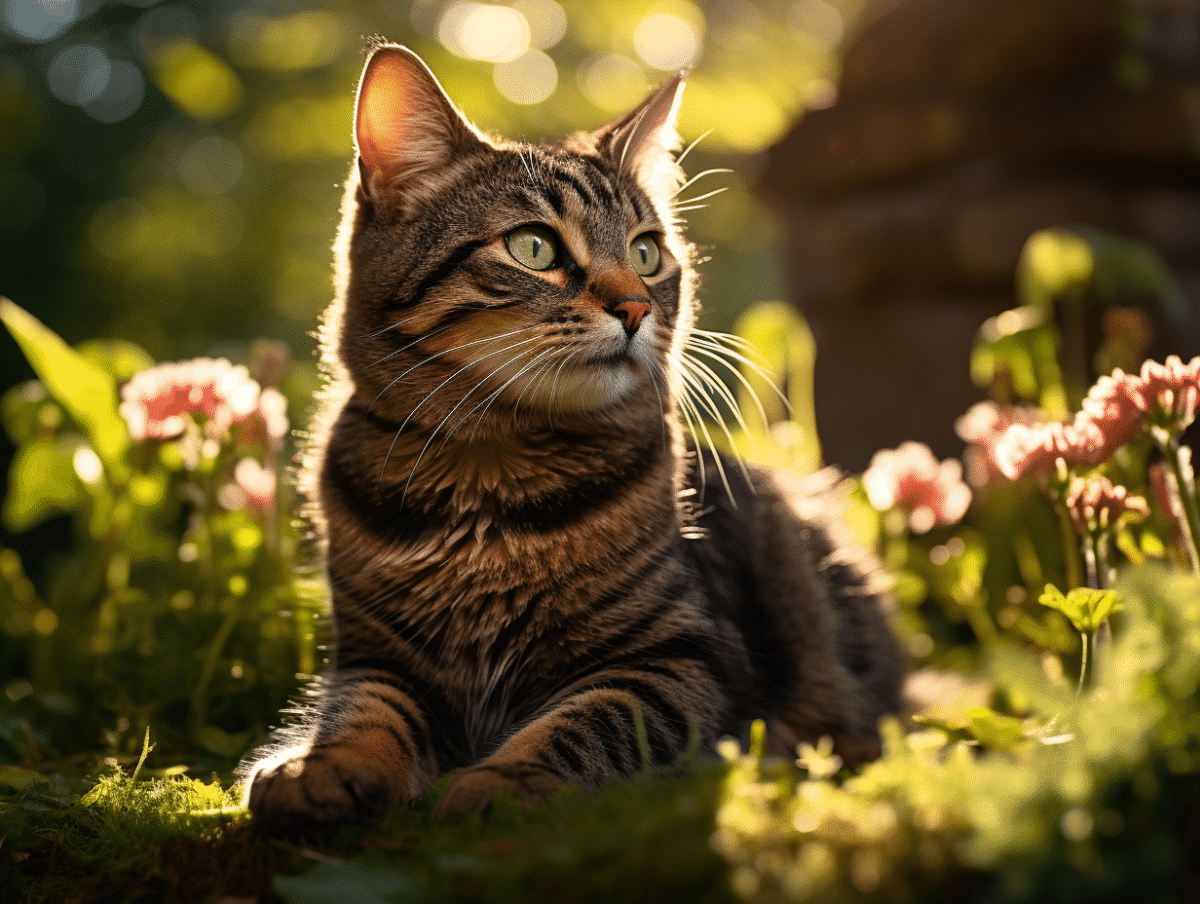
Tabby cats, identifiable by their distinctive striped patterns, often captivate with their unique behaviors. Scientists are keen to understand these particularities by scrutinizing aspects such as social interactions, hunting habits, and communication methods. The study of these behaviors provides insights not only into animal welfare but also into the evolution of traits specific to this feline variety. Careful observations and comparisons with other felines have led to theories about the impact of coat patterns on behavior. This research enriches the understanding of domestication and the human-animal bond.
The genetic foundations of tabby cat behavior
Genetic studies conducted by the scientific community reveal that the behavior of tabby cats may be influenced by the agouti gene, responsible for their characteristic coat. The hypothesis, supported by a series of observations and analyses, suggests that the genetic configuration related to coat color could impact the feline’s personality. The relationship between tabby coat and character is not absolutely confirmed, and research results sometimes remain contradictory.
Feline genetics specialists are examining whether coat color, influenced by the agouti gene, can truly determine behavioral trends in cats. Scientists are studying this potential correlation, considering behavioral elements such as sociability, activity, and reactivity. However, it should be noted that ongoing studies do not confirm a direct link 100%, leaving the door open for future research to clarify this issue.
This knowledge about the potential role of genes in tabby cat behavior also guides practices in pet care and education. It prompts owners and breeders to wonder how to train and socialize a tabby cat to promote its well-being. Understanding the genetic foundations can thus help tailor educational methods and living environments to best meet the specific needs of these cats.
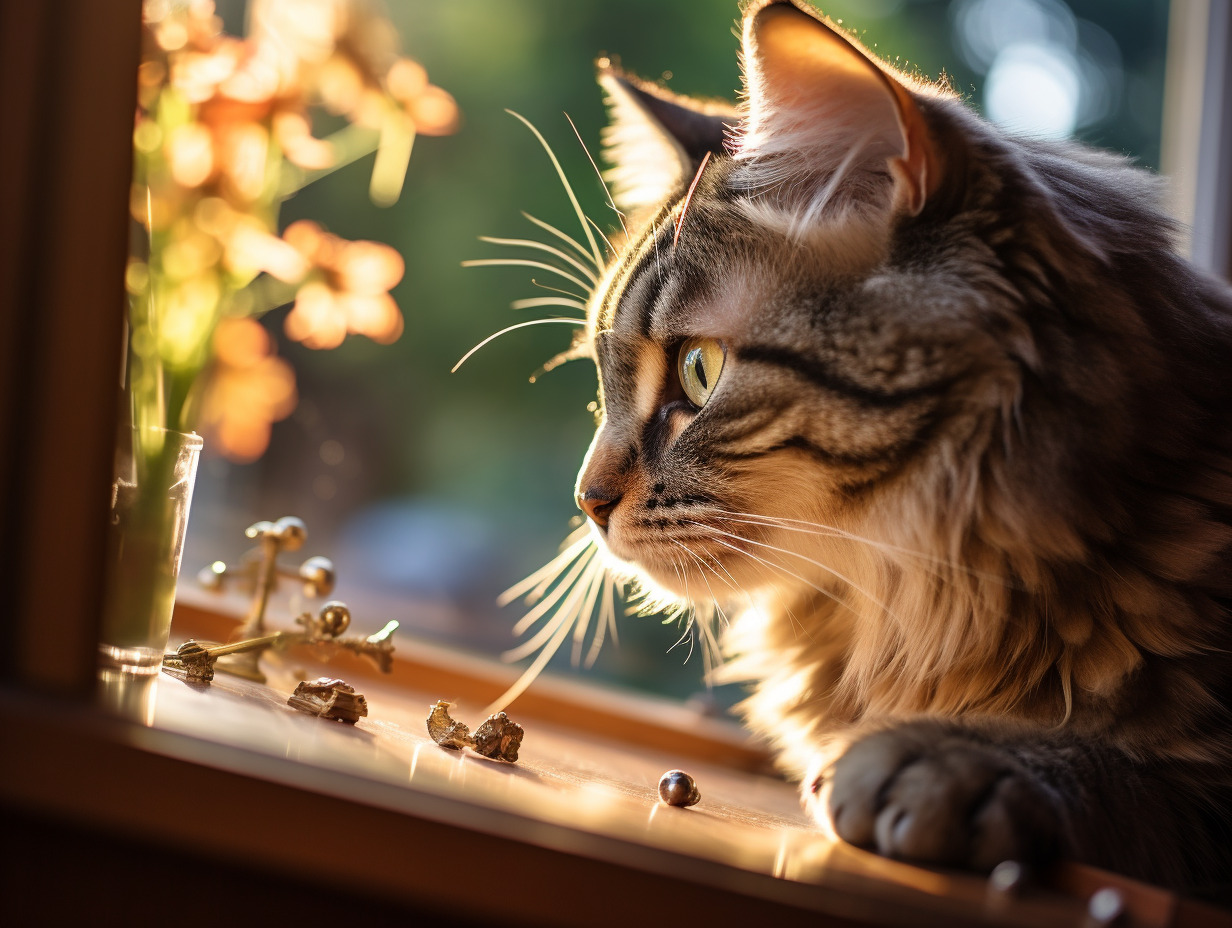
Behavior and social interaction of tabby cats: observations and studies
In the collective imagination, the tabby cat is often perceived as a particularly affectionate and sociable animal. Research in animal behavior tends to validate this view, depicting these felines as gentle companions, close to their owners and dynamic. The sociability of tabby cats manifests in a unique way: they show a tendency towards curiosity, play, and attachment to humans, including children, with whom they maintain relationships marked by gentleness and tolerance.
Adopters often prefer these cats for their playful character and their ease of adaptation within a household. Daily experiences and testimonials from owners converge towards a recognition of these behavioral traits, which make tabby cats particularly sought after. These qualities make them ideal candidates for those looking for a pet capable of harmoniously integrating into a family.
It would be reductive to attribute a univocal personality to these felines. Aggressiveness, for example, can occur in some individuals, influenced by factors such as early socialization, living conditions, or potential past traumas. These elements remind us of the complexity of feline behavior and the necessity for individualized consideration for each cat, regardless of the general trends observed in tabby cats.
The health of tabby cats is also a field scrutinized with attention. Subject to specific genetic diseases, these cats require tailored care, such as vaccination, sterilization, as well as regular grooming, a balanced diet, and adequate physical activities. These care practices are crucial for maintaining the optimal health of these animals and directly influence their well-being and, consequently, their social behavior.