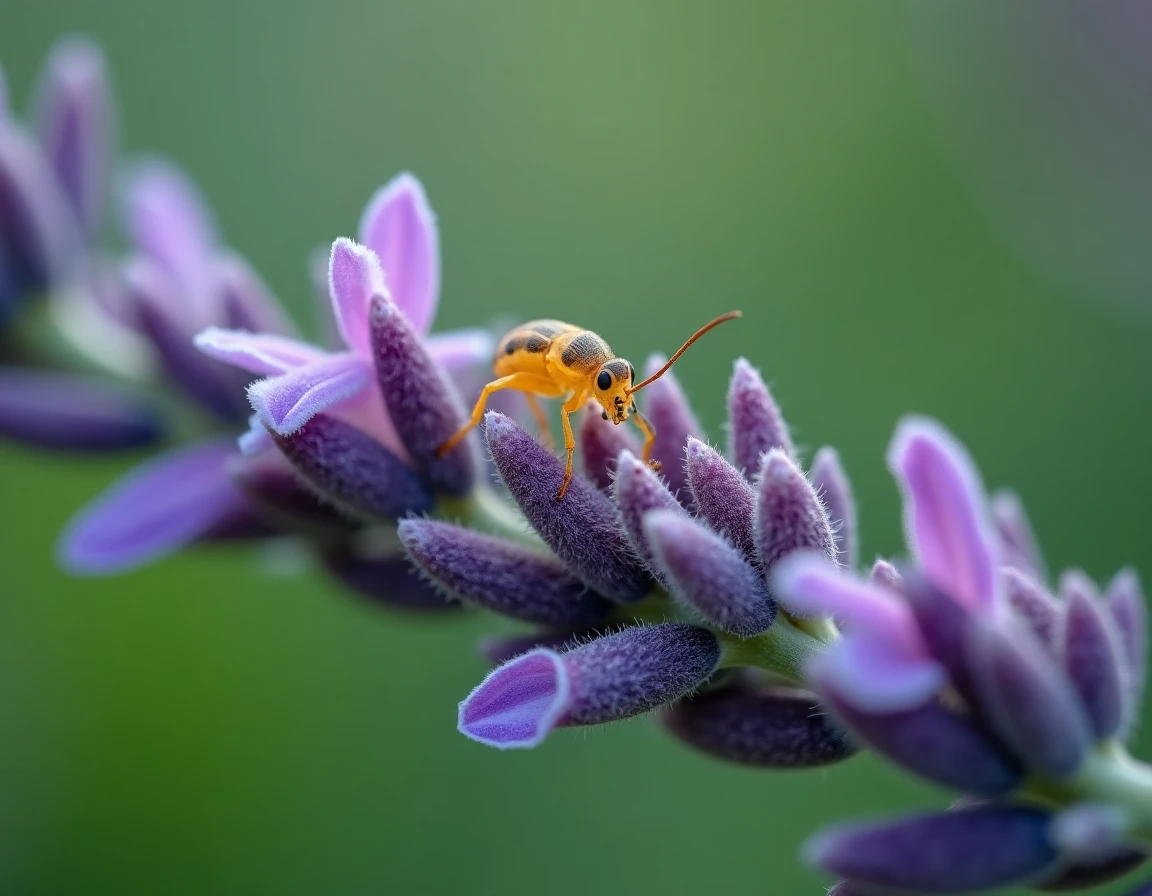
Lavender naturally produces linalool and linalyl acetate, two volatile molecules that disrupt the olfactory receptors of several arthropods. This chemical mechanism explains why some species avoid areas where the plant grows, while others, particularly pollinators, are strongly attracted to it. Understanding this duality allows for targeting repellent uses without harming the beneficial wildlife in the garden.
Linalool and camphor: the repellent mechanism of lavender
The repellent power of lavender relies on two families of compounds. Linalool, present in varying concentrations depending on the species (fine lavender, lavandin, spike lavender), affects the nervous system of insects by saturating their antennae. Camphor, more abundant in spike lavender, enhances this effect by triggering an avoidance reaction in species that hunt by smell.
These molecules diffuse through evaporation from glands located on the leaves and flowers. The concentration in the air decreases rapidly with distance. A pot of lavender on a windowsill creates a zone of olfactory discomfort limited to a few dozen centimeters, not an entire room.
This limited range has a direct consequence: lavender essential oil concentrates the active principles well beyond what the fresh plant emits alone. A few drops of essential oil diluted in a carrier oil or sprayed on a fabric release more linalool than a dried bouquet. To know in detail the insects sensitive to lavender, it is necessary to distinguish those that truly flee these molecules from those that resist despite the discomfort.
Mosquitoes, moths, and fleas: which insects does lavender really repel
Mosquitoes are among the most documented targets. Linalool disrupts their ability to detect carbon dioxide exhaled by humans, which temporarily reduces their attraction. A repellent based on lavender essential oil offers short-term protection on the skin, significantly lower than that of chemical formulas, but sufficient for a meal on the terrace if re-applied.
Textile moths (Tineola bisselliella) avoid contact with fibers impregnated with lavender. Placing sachets of dried flowers in wardrobes remains an effective traditional use, provided they are renewed when the scent fades.
Fleas also react to linalool. Dried lavender cushions placed near the bedding of pets can reduce parasitic pressure, without replacing a veterinary anti-parasitic treatment.
Flies and ants: a partial effect
Houseflies show an avoidance reaction to lavender, but they quickly habituate to the smell if the source remains static. Alternating the locations of sachets or diffusers prolongs the repellent effect.
Ants, on the other hand, circumvent scented areas rather than turning back. Lavender does not destroy colonies; it diverts their paths. Placing lavender on an ant trail redirects them without eliminating them.
Bed bugs: a clear limit
Research published after 2020 on bed bugs shows that the smell of lavender is neither sufficient to keep them away long-term nor to stop an infestation. Entomologists recommend not considering lavender as a solution for combating these pests. Bed bugs continue to bite in the presence of lavender when a host is available. At best, lavender provides a complementary olfactory comfort, not a functional barrier.
Repellent lavender and pollinators: the ecological paradox in the garden
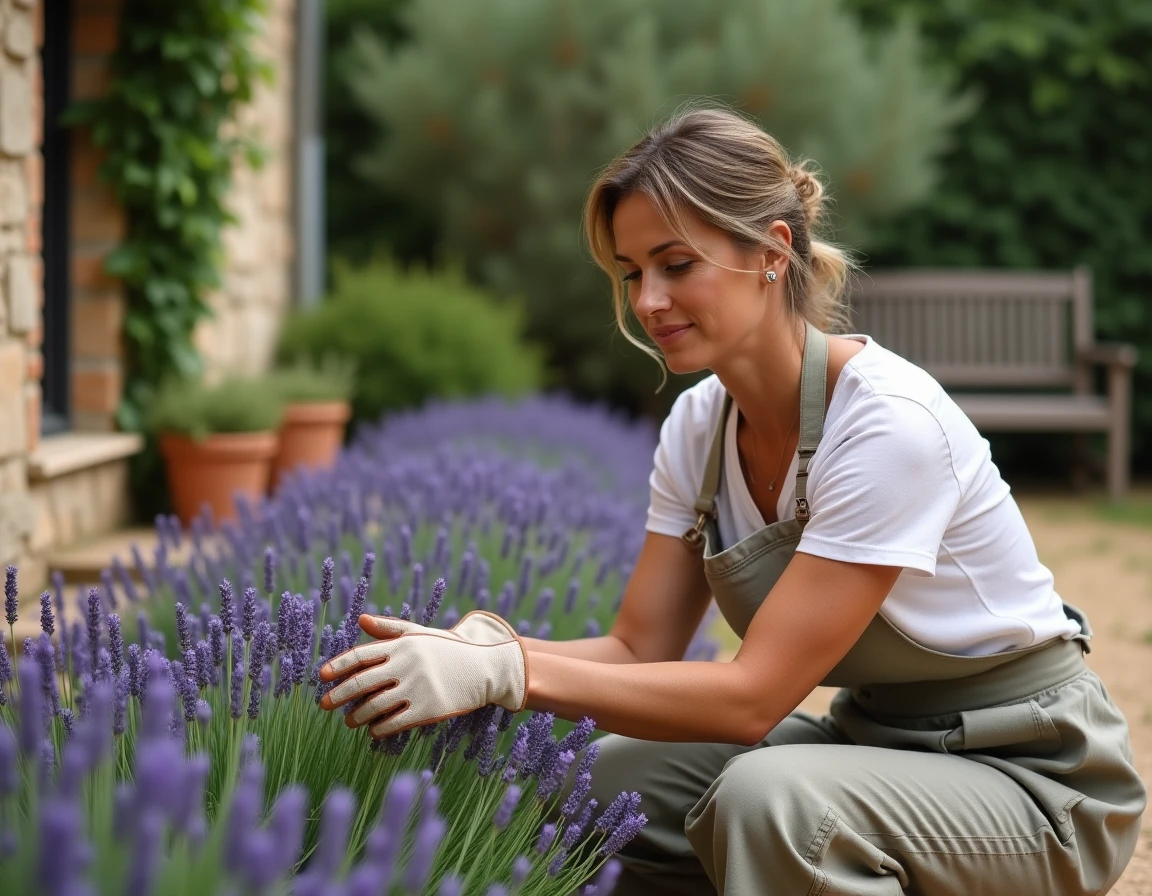
Lavender repels certain pests, but it is also one of the most attractive flowering plants for bees, bumblebees, hoverflies, and many butterflies. Its blooming, which extends from June to September depending on the regions, provides nectar during a time when other floral resources become scarce.
Massive use of lavender essential oil in outdoor diffusion (candles, sprays, terrace misters) can create a zone of linalool concentration that exceeds the tolerance threshold of pollinators. Intensive use of lavender outdoors risks repelling bees as much as mosquitoes.
The compromise lies in distinguishing between indoor and outdoor use:
- Indoors, dried lavender sachets, drops of essential oil on a fabric, or a cold diffuser effectively repel moths, stray mosquitoes, and flies, without impacting pollinators.
- In the garden, planting live lavender rather than diffusing oil allows for localized repellent effects (around tomato plants or entrances) while feeding the foragers.
- On the terrace, limit the diffusion of essential oil to meal times and prefer potted plants, which attract pollinators during the day and release enough linalool in the evening to bother twilight mosquitoes.
Spiders and other insect predators (lacewings, ladybugs) willingly hunt around lavender plants, taking advantage of the influx of prey attracted by the flowers. Eliminating this attraction point by saturating the air with essential oil also reduces the presence of these natural auxiliaries.
Forms of use: essential oil, dried flowers, and live plants
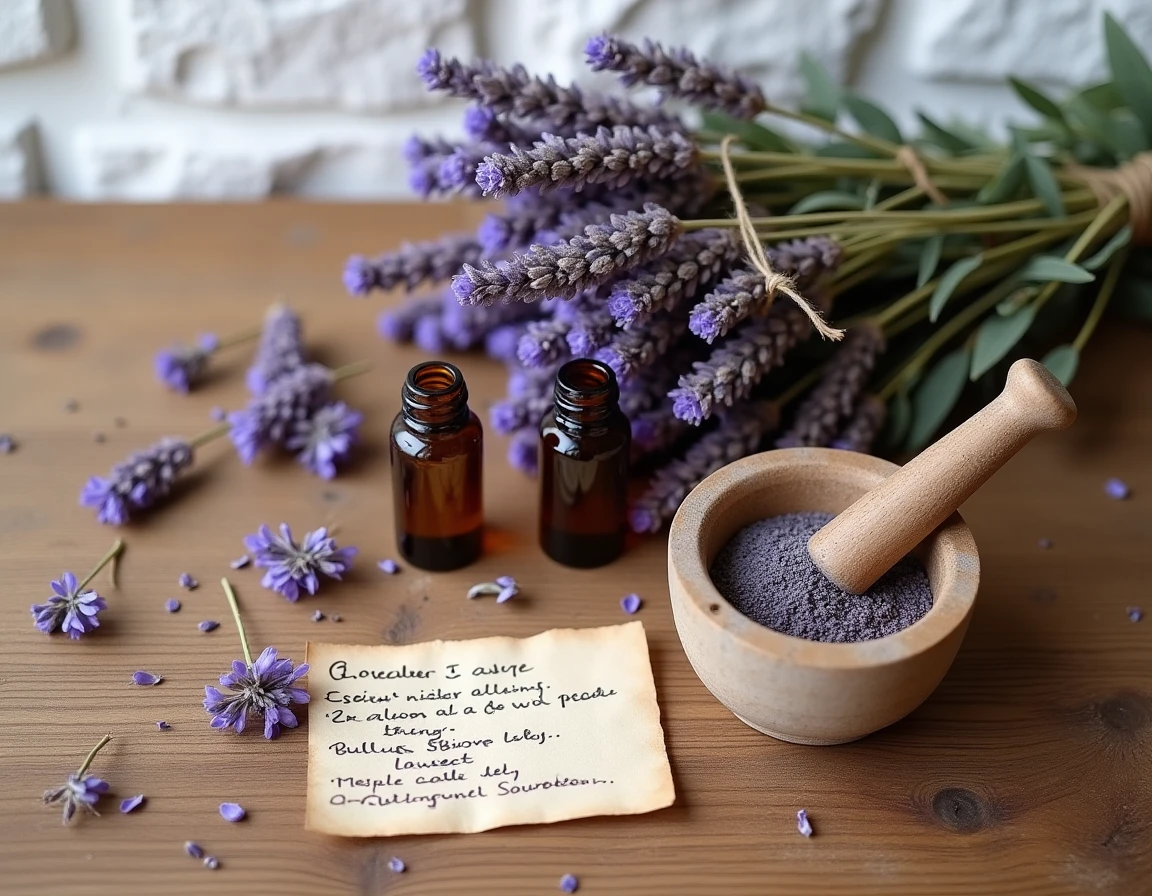
Each form of lavender corresponds to a level of concentration of active principles and a distinct use.
- Fine or spike lavender essential oil: a few drops mixed with a carrier oil can be applied to the skin as a short-term repellent. In indoor diffusion, it repels mosquitoes and flies. Spike lavender oil, richer in camphor, is traditionally used in topical application after a sting.
- Dried flowers in sachets: effective against moths in wardrobes and drawers. Their duration of action depends on the ventilation of the furniture; expect a few weeks before renewal.
- Potted or in-ground plants: passive repellent with a low radius, ideal near windows, doors, or in the vegetable garden between rows of vegetables. They simultaneously attract pollinators, which promotes the fruiting of neighboring crops.
- Lavender hydrosol (floral water): a gentle alternative for spraying textiles or surfaces without the concentration of essential oil, suitable for environments with children or pets.
Lemon-scented lavender (Lavandula pinnata), sometimes confused with lemongrass, has a slightly different scent that enhances the repellent effect against mosquitoes due to citrus notes. It remains less common in garden centers than fine lavender.
Combining lavender with other repellent plants (geranium, basil, mint) in a planter diversifies the volatile molecules and complicates the acclimatization of harmful insects to a single scent. This multi-plant approach replicates the logic of companion planting and maintains a favorable environment for garden auxiliaries.