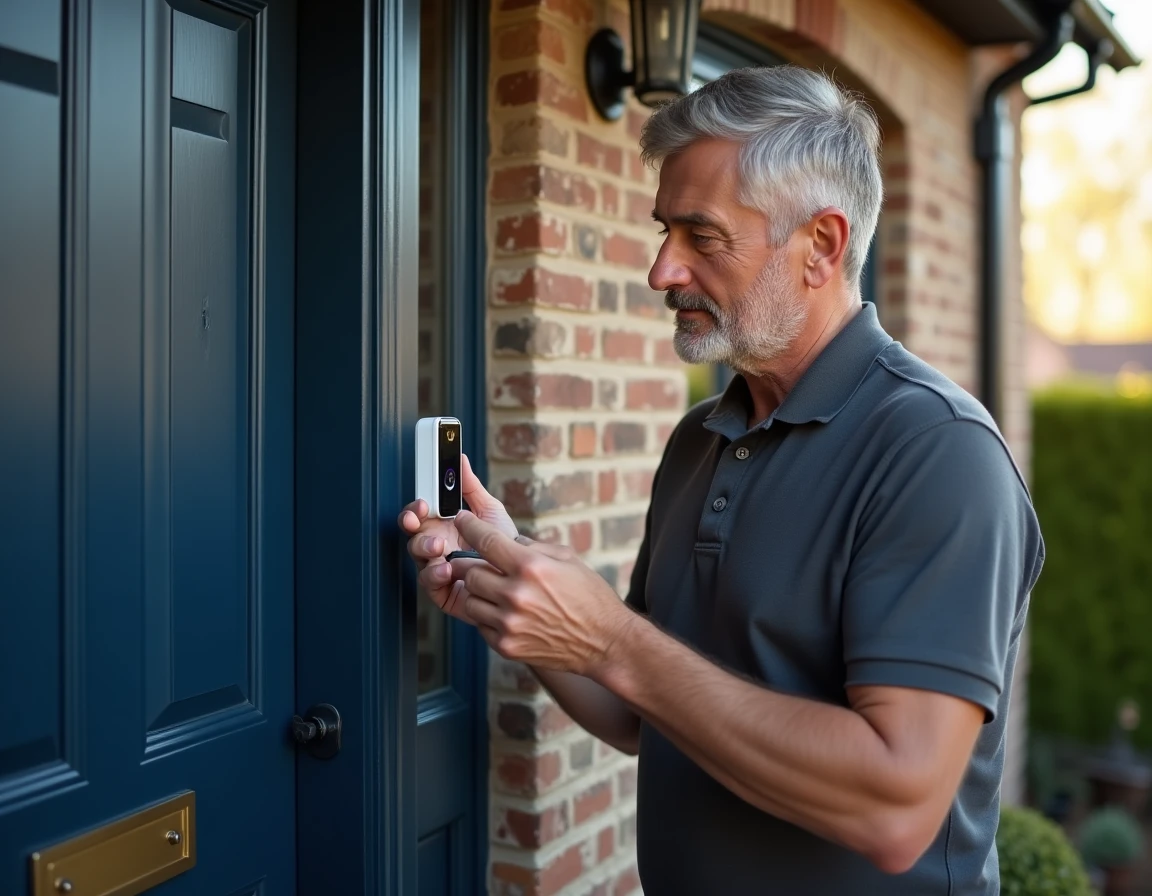
A home security system relies on three distinct functions: detection (identifying an abnormal event), alerting (notifying occupants or a third party), and deterrence (discouraging the intruder before or during the break-in). Choosing the right equipment for your home means sizing each of these functions according to the layout of the property, the number of access points, and your presence habits.
Recurring cost of a security system: the subscription outweighs the equipment
Most comparisons focus on the price of the alarm kit or camera. This approach is misleading. Over time, the monthly subscription often exceeds the initial cost of the equipment.
A remote monitoring contract typically commits you for 24 months. It includes remote verification, cloud video storage, and sometimes the intervention of an agent. Each additional option increases the recurring bill.
Before comparing kits, it is essential to read the complete pricing structure: purchase or rental price of the equipment, commitment duration, early termination fees, cost of cloud options. A kit sold for less with a high subscription over two years ends up being more expensive than a system with no commitment. To explore home equipment with Protect Habitation, this overall cost logic remains the primary criterion to examine.

Wired or wireless home alarm: technical selection criteria
The choice between a wired alarm and a wireless alarm depends on a simple parameter: the state of the property at the time of installation.
Wired alarm and new construction
A wired system connects each detector and siren to the home’s electrical network via embedded wiring. Reliability is maximized because no radio signal can be jammed. This type of installation makes sense in new construction or major renovations when the walls are still open.
The wiring makes the system difficult to relocate. If you are a tenant or if your home is already finished, the necessary work makes this option less viable.
Wireless alarm and existing homes
A wireless alarm communicates via radio waves between the control panel and the sensors. Installation does not require deep drilling or cable routing. The downside: the sensors operate on batteries (which need to be replaced regularly) and the signal can theoretically be disrupted by a jammer.
Recent systems include anti-jamming detection that triggers an alert if the signal is interrupted. Check for this feature before purchasing.
Sizing detectors according to the layout of the property
Installing a standard kit without analyzing the property is like applying a band-aid randomly. Specialized providers like Verisure design custom systems after analyzing the number of entries, sensitive rooms, and the type of dwelling. This approach, more expensive initially, avoids buying unnecessary sensors or forgetting to cover a vulnerable access point.
Here are the points to cover during this analysis:
- Doors and windows accessible from the ground floor: these are the most frequently exploited entry points during a break-in. Each accessible opening deserves an opening detector.
- Mandatory passage rooms (hallway, entrance hall): a volumetric motion detector covers a wide area and compensates for unprotected openings.
- Outdoor areas (garden, driveway, garage): an outdoor motion detector or a camera with night vision allows for an alert even before an attempted break-in.
- Upper floors with access via balcony, terrace, or flat roof: often overlooked, these secondary accesses represent a real vulnerability in semi-detached houses.

Surveillance cameras and video storage: local or cloud
A surveillance camera serves two roles: visual deterrence (the visible casing discourages) and the collection of usable evidence in case of a break-in. The choice of image storage mode determines the actual usefulness of the device.
Local storage on SD card or NAS
The images remain physically at your home. No monthly subscription. However, if the burglar takes the camera or the card, the recordings disappear with it.
Cloud storage with subscription
The images are sent to a remote server in real-time. Even if the camera is destroyed, the recordings remain accessible from your phone. The monthly cost varies depending on the retention period (7, 14, or 30 days) and the number of connected cameras.
An effective compromise is to combine both: local storage for current archiving, cloud activated only in absence mode. This limits the bill without sacrificing the security of the evidence.
Smoke and carbon monoxide detectors: obligations and placement
Protecting the property is not limited to anti-intrusion. Smoke detectors are mandatory in every home since 2016. The owner provides the device, and the tenant ensures its maintenance.
Placement is as important as the presence of the detector:
- One detector per level, mounted on the ceiling or high on the wall, away from the kitchen and bathroom (steam can cause false alarms).
- A carbon monoxide detector in any room equipped with a combustion appliance (gas boiler, wood stove, fireplace). This odorless gas causes serious poisonings every year.
- Test the sound signal every month by pressing the test button. Replace the batteries at least once a year, or as soon as the first low battery alert beep sounds.
Assessing security equipment is best done during the property visit, as recommended by Qualitel. Checking for the presence of detectors, the condition of locks, and the quality of openings before moving in allows for anticipating the actual budget for securing the property, rather than discovering it after installation.